The Indian Air Force (IAF) is in the process of evolving into a modern, network-centric combat force in which information dominance is as essential as weaponry. The Indian Air Force (IAF) is preparing to acquire approximately 2,500 indigenous Software Defined Radios (SDRs) as a significant step toward this transformation. This will facilitate airborne internet-like connectivity throughout its fleet. This initiative is a component of a more extensive effort to improve the operational efficacy of modern warfare environments by facilitating secure, real-time data sharing between aircraft, ground stations, and command centers.
The action is indicative of India’s increasing emphasis on self-reliance in defense technology as part of the “Aatmanirbhar Bharat” initiative and underscores the growing significance of digital communication systems in aerial warfare.
What are Software Defined Radios?
Software Defined Radios are a significant technological advancement in comparison to conventional communication systems. SDRs differ from legacy radios in that they use software to execute critical functions, including modulation, demodulation, encryption, and frequency management, in contrast to the heavy reliance on hardware for signal processing.
This adaptability enables SDRs to function across a variety of communication protocols and frequencies without necessitating hardware modifications. Because of this, a single SDR system might replace numerous conventional radios, rendering it highly adaptable to intricate military operations.
SDRs facilitate secure audio, data, and video transmission in the defense context. Additionally, they are capable of operating in electronically contested environments as a result of their encryption, frequency hopping, and anti-jamming capabilities.
The IAF’s Vision: Airborne Internet Capability
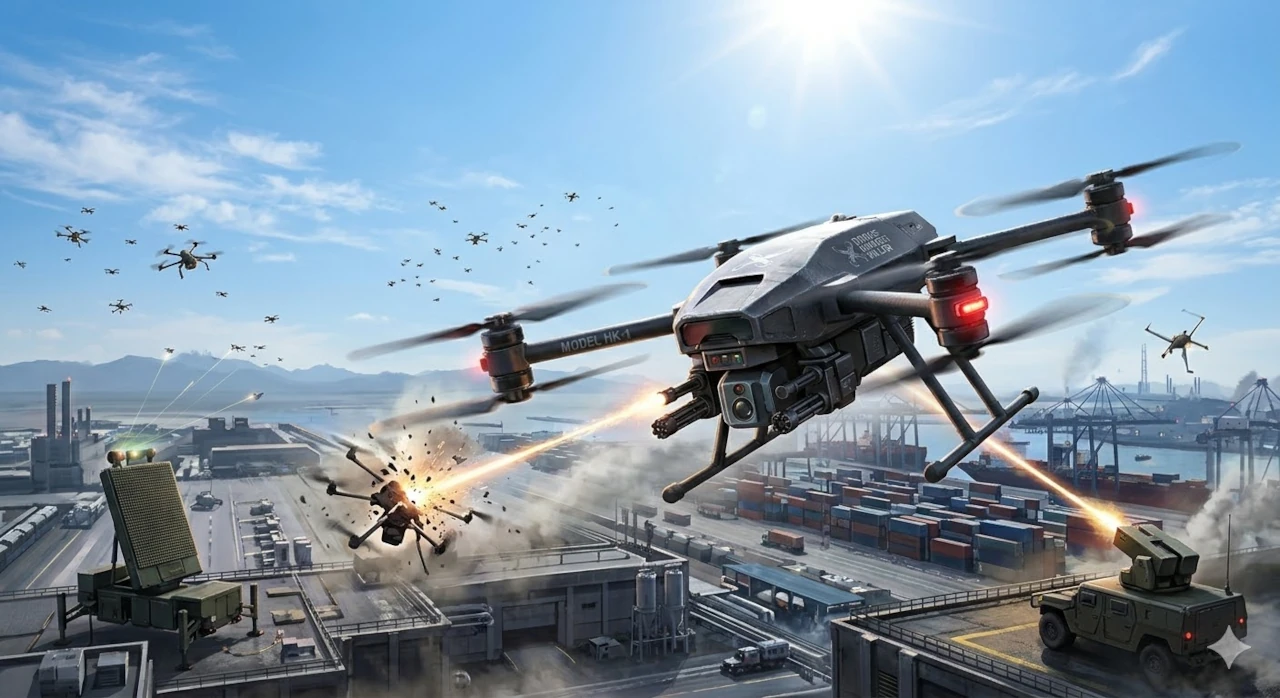
The deployment of 2,500 SDRs by the IAF is not solely intended to enhance communication hardware; it is also intended to establish an “airborne internet” ecosystem. This idea entails the seamless integration of numerous airborne platforms, including helicopters, fighter jets, transport aircraft, drones, and Airborne Early Warning Systems.
SDR-enabled networks will enable aircraft to exchange real-time data, such as battlefield intelligence, targeting information, and situational awareness inputs. This will substantially reduce the time required for decision-making and improve the coordination of missions.
It is expected that the incorporation of SDRs into airborne platforms will convert individual aircraft into nodes within a broader digital network. Successful modern warfare necessitates the capacity to swiftly process and share information across multiple domains, which is why this network-centric approach is so crucial.
Enhancing Network-Centric Warfare Capabilities
India has already established the groundwork for network-centric warfare by utilizing systems such as the Air Force Network (AFNet), a secure digital information infrastructure that connects a variety of IAF assets.
By expanding this connectivity into the air domain, the inclusion of SDRs will serve as a force multiplier. A dynamic and resilient communication network will be established by aircraft that are equipped with SDRs, which will be capable of communicating directly with each other in addition to with ground stations.
This capability is especially critical in today’s combat scenarios, where electronic warfare is a significant factor. SDRs have the ability to dynamically alter frequencies in order to prevent jamming and maintain communication in hostile environments.
Strategic Autonomy and Indigenous Development
The IAF’s SDR program emphasizes indigenous development as a critical component. India has been working on SDR technology through public sector corporations like Bharat Electronics Limited (BEL) and organizations such as the Defence Research and Development Organisation (DRDO).
It is expected that advanced SDR systems that have been developed domestically will replace the imported communication solutions that are presently in use in Indian military aircraft. This transition will reduce reliance on foreign suppliers and improve operational security.
The advocacy for indigenous SDRs is consistent with India’s overarching defense strategy, which involves the establishment of a robust domestic defense industry and the attainment of technological independence in critical sectors.
Cross-Platform Integration
Versatility is one of the primary benefits of SDR technology. These systems can be incorporated into a diverse array of platforms, such as helicopters, transport aircraft, fighter jets, unmanned aerial vehicles, and airborne warning systems.
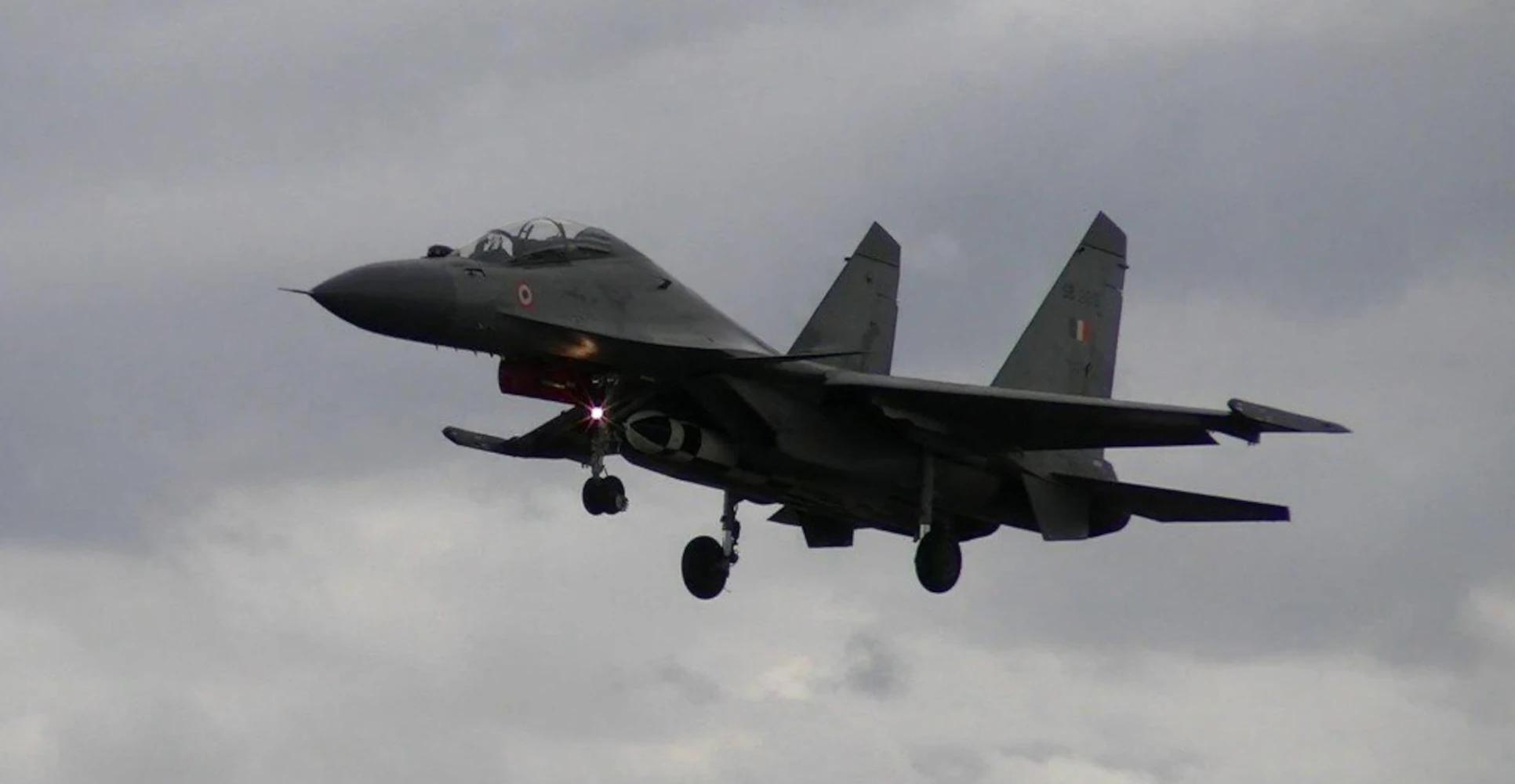
It is anticipated that the incorporation of SDRs will be advantageous for aircraft such as the Sukhoi Su-30MKI and MiG-29, as it will facilitate the exchange of real-time data between platforms and command structures.
In the same vein, the IAF’s capacity to monitor and respond to threats will be fortified by the enhanced coordination capabilities of airborne early warning and control systems such as the Netra AEW&C.
This cross-platform compatibility guarantees that all components of the IAF can function within a unified communication framework.
Improving Combat Efficiency
The IAF’s combat efficacy is anticipated to be substantially improved by the implementation of SDRs. Pilots will be able to make informed decisions more rapidly by having access to a comprehensive picture of the battlefield through real-time data sharing.
This capability is especially critical in high-speed aerial combat, where the outcome of an engagement can be determined by the passage of mere seconds. SDRs can offer a decisive advantage over adversaries by facilitating quicker communication and coordination.
Additionally, SDRs facilitate sophisticated applications, including integrated command and control networks, electronic warfare systems, and data communications. These capabilities are indispensable for contemporary air forces that operate in complicated and dynamic environments.
Obstacles and Factors to Consider
Although the advantages of SDR technology are substantial, the execution of a program of this magnitude is not without obstacles. Major expenditures in research, manufacturing, and integration are necessary to develop and deploy 2,500 SDR units.
Another significant obstacle is guaranteeing interoperability among various platforms and systems. Careful planning and standardization will be necessary to ensure seamless communication across all systems, as the Indian Armed Forces have historically used a combination of indigenous and imported equipment.
Additionally, cybersecurity is an important issue. As communication systems become increasingly software-driven, they become susceptible to cyber attacks. Consequently, it will be imperative to implement robust security measures and encryption to safeguard sensitive military data.
Prospects for the Future
The SDR initiative of the IAF is an important step in the direction of the future of warfare, where connectivity and information superiority are of the utmost importance. SDRs are anticipated to play an even more significant role in the development of advanced capabilities, including autonomous systems, artificial intelligence-driven decision-making, and integrated multi-domain operations, as technology continues to advance.
The development of next-generation communication systems is currently underway through collaborations between the IAF, academic institutions, and industry actors. Institutions such as the Indian Institute of Technology Madras are helping to create airborne communication technologies that are both secure and scalable and that are specifically designed to meet the requirements of India.
These endeavors will not only enhance India’s defense capabilities but also foster the expansion of its defense technology ecosystem.
In conclusion,
A transformative stride in the modernization journey of the Indian Air Force is the procurement of 2,500 indigenous Software Defined Radios. SDRs will transform the manner in which the IAF conducts operations, enhances situational awareness, and coordinates across multiple platforms by facilitating airborne internet-like connectivity.
This initiative underscores the significance of network-centric warfare in the 21st century and emphasizes India’s dedication to attaining technological self-reliance in defense. The IAF is on the brink of becoming a more agile, connected, and formidable force on the global stage as it continues to incorporate advanced communication systems into its operations.