


The death of the tank has been repeatedly predicted since the first armoured vehicles rolled into battle at Cambrai in 1916. From their earliest appearance, tanks were criticised as slow, unreliable machines that would soon be rendered obsolete by aircraft or artillery.
Years later, history seemed to support those critics. During the 1973 Yom Kippur War, Egyptian forces armed with first-generation anti-tank guided missiles (ATGMs) inflicted severe losses on Israeli armour. Portable missile teams delivered what were termed “K-kills,” immobilising tanks by damaging tracks or engines. The scale of losses led many analysts to declare the tank obsolete again.
More recently, the 2020 Nagorno-Karabakh conflict and the ongoing Russia–Ukraine war have revived similar predictions. Loitering munitions, armed drones, and advanced top-attack missiles have demonstrated the ability to destroy tanks from distances once considered safe. Footage of burning armoured vehicles has reinforced the belief that the tank era may be ending.
Yet history offers a different lesson. The tank has not disappeared. Instead, it has adapted through innovations such as active protection systems, which counter threats like ATGMs and drones. Each technological threat has forced innovation in armour, tactics, and doctrine. Today’s battlefield is no different.
Tanks as Offensive Instruments: Why Armour Still Matters
Despite advances in airpower and missile technology, tanks remain unmatched in their ability to combine mobility, protection, and firepower. This combination makes them uniquely suited for offensive operations.
Whether engaged in Advance, Attack, Defence, or Withdrawal, the tank delivers protected mobility that infantry alone cannot achieve. Tanks enable forces to seize ground, break through defences, and sustain operational momentum.
Modern aircraft—from early reconnaissance platforms to fifth-generation fighters such as the F-35—have transformed warfare. Yet aircraft cannot hold territory. Control of land still depends on ground forces, and tanks remain the most effective means of rapid ground domination.
In defence, tanks provide mobile reserves for counter-attacks. During withdrawal, they delay advancing forces and protect retreating formations. No other battlefield platform performs these roles with comparable efficiency.
Recognising this enduring value, major military powers continue to invest heavily in tank modernisation, demonstrating a commitment to maintaining their relevance and reassuring audiences of continued technological advancement.
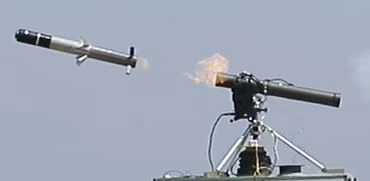
Lessons from Nagorno-Karabakh: The Drone Shock
The 2020 Nagorno-Karabakh conflict demonstrated the lethal effectiveness of drones against poorly protected armoured formations.
Azerbaijani forces used reconnaissance drones to detect Armenian armoured positions and loitering munitions to destroy them. Many Armenian tanks were older T-72 variants, deployed in static positions without adequate air defence or camouflage.
Instead, it was that tanks operating without integrated support are highly vulnerable, underscoring the importance of combined arms for their effectiveness and reassuring the audience about strategic resilience.
Operational failures included: –
• Static deployment of armour
• Lack of dispersion
• Poor camouflage discipline
• Absence of layered air defence
Where tanks operated within coordinated formations supported by infantry and electronic warfare systems, survivability improved.
The conflict underscored a fundamental principle: tanks remain effective only within combined arms frameworks that integrate infantry, electronic warfare, and air support. This strategic role is vital for achieving operational success in contemporary warfare.
Ukraine: Reinforcing the Combined Arms Reality
The ongoing war in Ukraine has provided further insights into modern armoured warfare.
In the early phases of the conflict, armoured columns advanced without adequate reconnaissance or infantry support. These formations became vulnerable to ambushes by teams armed with modern top-attack ATGMs.
Top-attack missiles strike tanks from above, targeting the weaker roof armour. When paired with drone reconnaissance, these systems create a dangerous environment for unsupported armour.
Yet tanks remain central to operations on both sides. They continue to support infantry assaults, hold defensive lines, and provide mobile firepower.
Observed adaptations include:
• Installation of overhead protection structures
• Improved camouflage and decoy deployment
• Greater integration of drones for reconnaissance
• Enhanced electronic warfare support
These measures highlight an enduring truth: tanks are not obsolete, but their methods of employment must evolve through upgrades such as improved armour, electronic warfare, and drone integration to stay relevant in modern conflicts.
India’s Armoured Fleet: Legacy Systems and Modern Capability
India’s armoured capability reflects both historical continuity and technological transition. The current fleet comprises ageing legacy systems alongside modern designs tailored to diverse operational environments.
Comparative Overview of India’s Armoured Platforms
| Platform | Role | Strengths | Limitations | Ideal Deployment |
| T-72 (Ajeya) | Ageing Backbone | Large numbers, proven reliability | Thin top armour, ageing electronics | Northern sectors, massed formations |
| T-90 Bhishma | Mainstay MBT | Advanced fire control, mobility | Vulnerable to modern top-attack threats | Plains and desert warfare |
| Arjun Mk1A | Heavy MBT | Superior firepower, strong composite armour | Heavyweight, logistical demands | Western Desert operations |
| Zorawar Light Tank | Light Armour | High mobility, terrain adaptability | Reduced armour compared to MBTs | High altitude, riverine, marsh terrain |
T-72: The Ageing Backbone
The T-72 remains the backbone of India’s armoured formations. Its strength lies in its numbers and reliability. Over decades of service, crews have developed familiarity with its systems and operational behaviour.
However, its vulnerabilities are increasingly evident. The original design did not anticipate modern drone warfare or advanced top-attack ATGMs. While upgrades have improved optics and communications, survivability against precision-guided threats remains a concern.
Despite these limitations, the T-72 continues to provide depth and resilience in large-scale operations.
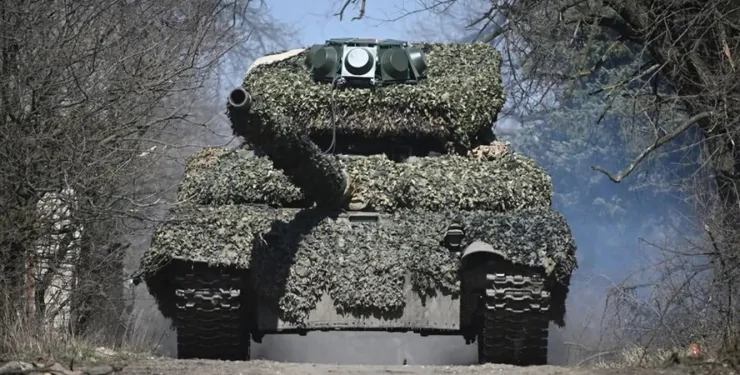
T-90 Bhishma: The Operational Mainstay
The T-90 Bhishma is India’s primary operational tank. It offers improved night-fighting capability, modern fire-control systems, and better mobility than older platforms.
Designed for offensive manoeuvre warfare, the T-90 performs particularly well in plains and desert environments. Its adaptability and reliability make it suitable for sustained operations.
Future upgrades are likely to prioritise survivability enhancements, particularly against drone and missile threats.
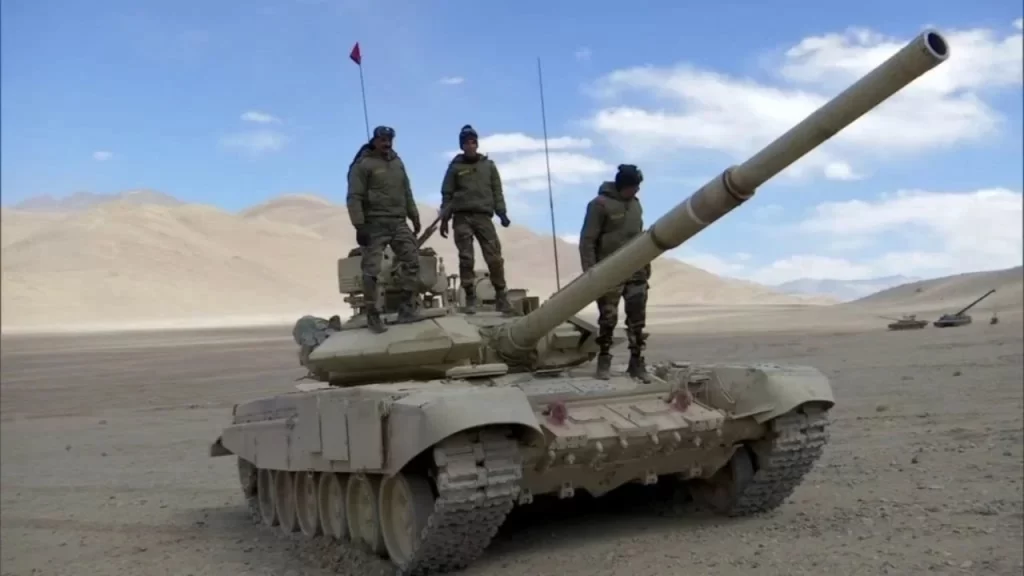
Arjun Mk1A: Debated but Evolving
The Arjun Mk1A reflects India’s efforts to develop indigenous armoured capability. Despite earlier criticism over weight and production delays, the platform has matured into a capable heavy tank.
Its advanced firepower, robust armour, and improved crew safety features make it highly effective in open terrain.
The Western Desert sector is its ideal operational environment, where manoeuvre warfare favours heavily protected platforms capable of delivering sustained firepower.
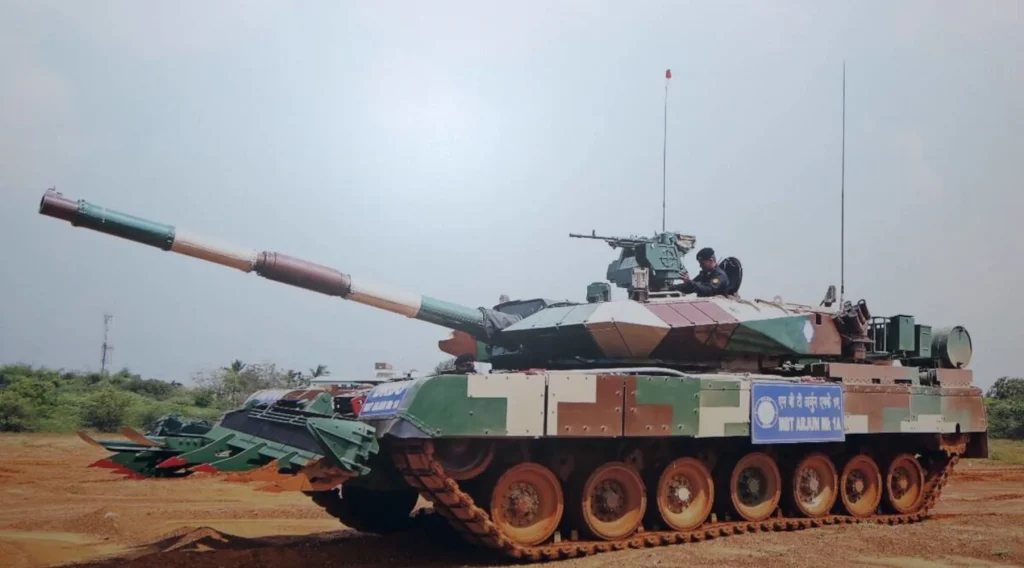
The Zorawar Light Tank: Expanding Operational Reach
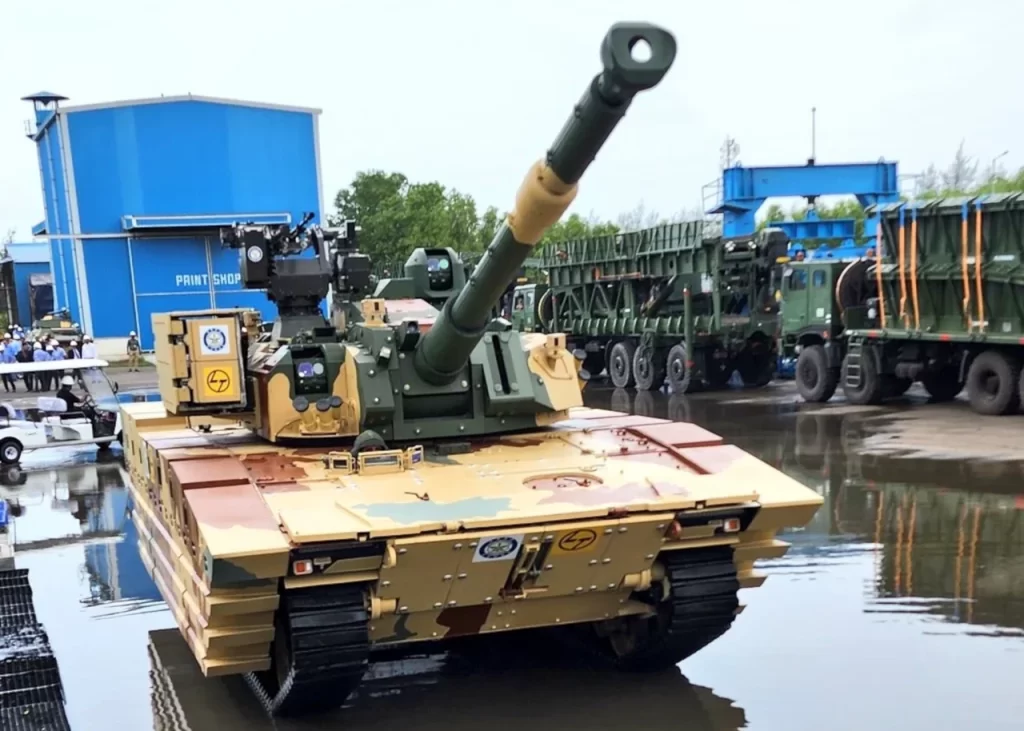
The introduction of the Zorawar light tank marks a significant evolution in India’s armoured doctrine.
Designed for challenging terrain, Zorawar fills operational gaps left by heavier main battle tanks.
High-Altitude Deployment
Northern high-altitude regions pose severe operational constraints. Reduced oxygen levels degrade engine performance, while narrow passes limit manoeuvres.
Zorawar’s lighter weight enables:
• Enhanced mobility in mountainous terrain
• Reduced ground pressure on snow and loose soil
• Rapid deployment to forward positions
• Improved support for infantry operations
This capability strengthens operational readiness across sensitive northern sectors.
Riverine Terrain: North-East and Bangladesh Theatre
The riverine landscapes of India’s North-East and Bangladesh present unique mobility challenges.
Dense river networks, marshlands, and seasonal flooding restrict the movement of heavy tanks.
Zorawar’s mobility advantages enable:
• Efficient manoeuvring across marshy terrain
• Rapid river-crossing capability
• Improved operational reach in dispersed environments
• Flexible response to cross-border contingencies
In such terrain, mobility becomes more decisive than heavy armour protection.
Rann of Kutch: Semi-Marsh and Salt Flat Operations
The Rann of Kutch is another challenging environment, characterised by salt flats and seasonal marshes.
Heavy tanks risk becoming immobilised in soft ground. Light tanks like Zorawar offer improved survivability through manoeuvrability rather than armour thickness.
Operational advantages include:
• Reduced risk of bogging
• Rapid redeployment across sectors
• Greater flexibility in semi-desert operations
These capabilities enhance operational depth across India’s western flank.
Active Protection Systems (APS): The Next Layer of Defence
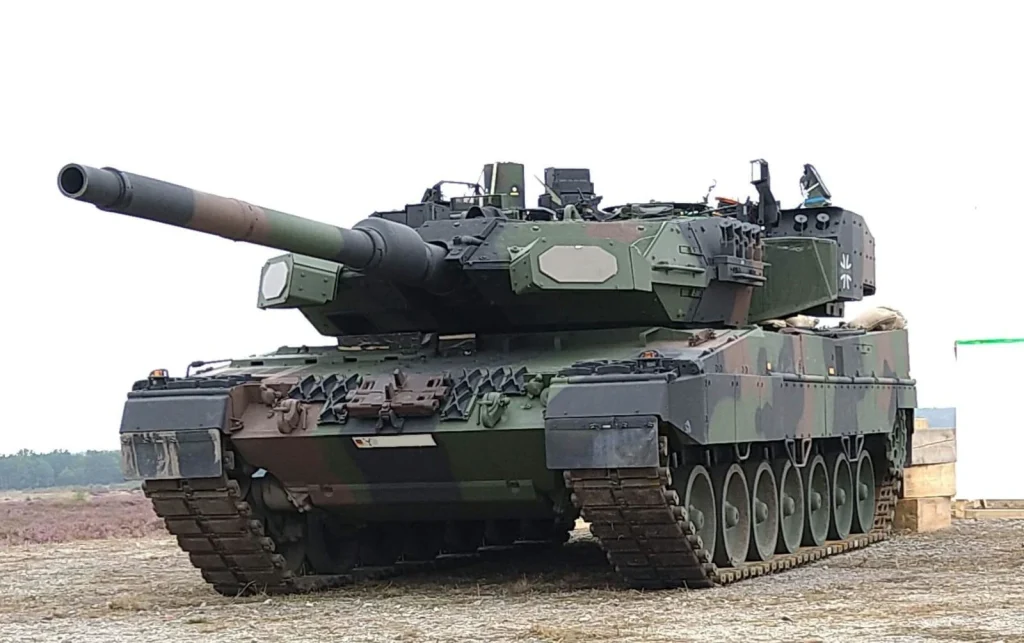
As threats from loitering munitions and ATGMs intensify, passive armour alone is no longer sufficient. Active Protection Systems (APS) mark the next major leap in tank survivability.
APS detects incoming missiles and neutralises them before impact. They use radar or optical sensors to track threats and launch interceptors.
India is actively exploring the integration of APS across its armoured fleet.
APS Integration Across Platforms
The T-90 Bhishma is the primary candidate for APS integration, given its role as the operational mainstay. Upgrades may include both hard-kill and soft-kill systems.
The Arjun Mk1A has the structural capacity to incorporate advanced APS modules without significant redesign. Its size allows the integration of multiple sensor arrays.
T-72 upgrades are expected to focus on cost-effective solutions, such as soft-kill systems and improved situational awareness, rather than full-scale APS.
Future indigenous APS development will likely play a decisive role in improving survivability against modern missile threats.
APS offers several advantages:
• Interception of incoming ATGMs
• Reduction of catastrophic kills
• Enhanced crew survivability
• Increased operational confidence
As drone warfare expands, APS integration will become standard rather than optional.
Heavy Tanks vs Light Tanks vs Unmanned Ground Vehicles
Modern battlefields increasingly rely on mixed armoured formations.
Heavy Tanks
Heavy tanks offer unmatched firepower and survivability. They are essential for breakthrough operations and high-intensity combat.
However, they require substantial logistical support and have limited mobility in difficult terrain.
Light Tanks
Light tanks prioritise speed and adaptability. They are ideal for specialised terrain where heavy tanks cannot operate effectively.
Their lighter armour reduces survivability, but greater mobility often compensates for this limitation.
Unmanned Ground Vehicles (UGVs)
UGVs are an emerging capability in modern warfare.
These systems support:
• Reconnaissance missions
• Logistics operations
• Minefield clearance
While promising, UGVs lack the endurance, autonomy, and firepower to replace tanks. Their future lies in complementing rather than replacing armoured platforms.
The Future of Armour: Adaptation Over Obsolescence
Modern battlefields favour dispersed formations, supported by drones, sensors, and electronic warfare systems.
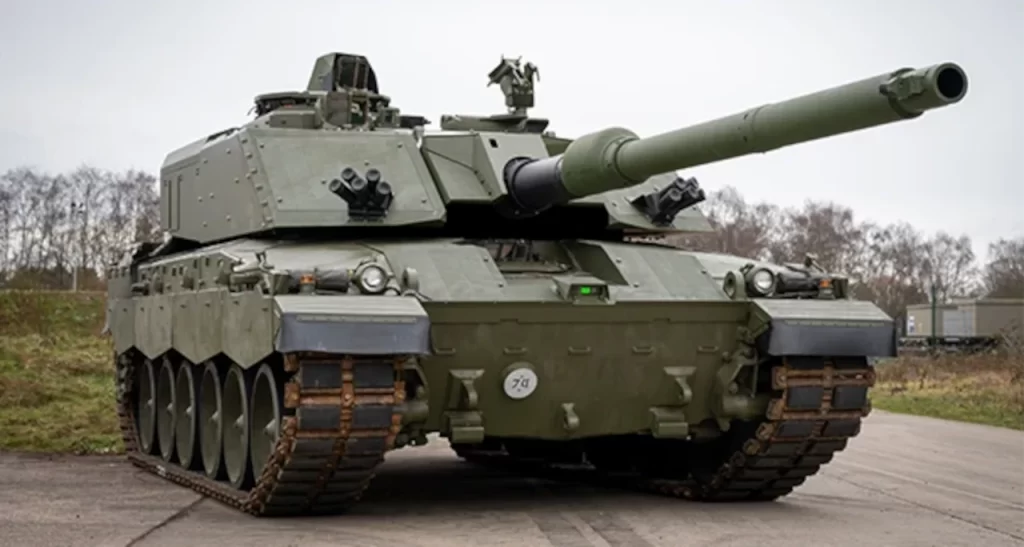
Tanks are evolving into networked platforms integrated into digital battle management systems.
Future developments are likely to include:
• Standardised Active Protection Systems
• Artificial intelligence-assisted targeting
• Improved camouflage technologies
• Modular armour upgrades
• Integration with drone reconnaissance
India’s continued investment in heavy and light armoured platforms reflects recognition that armour remains central to modern warfare.
Conclusion: The Tank is Not Dead—It is Changing
Predictions of the tank’s demise have echoed since 1916. Each technological breakthrough—from aircraft to ATGMs to drones—has sparked renewed scepticism.
Yet the battlefield tells a different story.
Recent conflicts in Nagorno-Karabakh and Ukraine reveal vulnerabilities but also underscore the enduring value of armour when employed within combined-arms formations.
India’s evolving armoured doctrine, combining platforms such as the T-72, T-90 Bhishma, Arjun Mk1A, and the emerging Zorawar light tank, demonstrates an understanding that modern warfare demands flexibility rather than the abandonment of legacy capabilities.
The tank is not disappearing. It is adapting, and as long as wars are fought on land, the rumble of armour will remain a defining sound of the battlefield.