In late March 2026, reports regarding major advances in the development of Russia’s next-generation naval helicopter, the Kamov Ka-65, also known as “Minoga,” began to circulate on Russian-language blogs and defense-focused online platforms. However, these reports have yet to be officially confirmed. The first flight-ready prototype of the aircraft, which is intended to replace the Ka-27, Ka-29, and Ka-31 helicopter families, could be finalized by the transition period between 2026 and 2027, according to these reports. This would represent an important milestone in Russia’s efforts to further develop its naval aviation capabilities, provided that the information is accurate.
For years, the Ka-65 program has been the subject of infrequent discussion; however, concrete information has been scarce. Given the recent emergence of new claims of progress, it is worthwhile to investigate the project’s origins, technological foundations, and expected function within the Russian Navy.
Ka-65 Program Origins
Russia’s requirement for a new multi-role naval helicopter has been apparent for more than a decade. Originally developed in the 1970s, the current fleet is centered around the Kamov Ka-27 and its derivatives. Despite the fact that these aircraft have undergone modifications and are still operational, their fundamental design is indicative of technological standards from a different era.
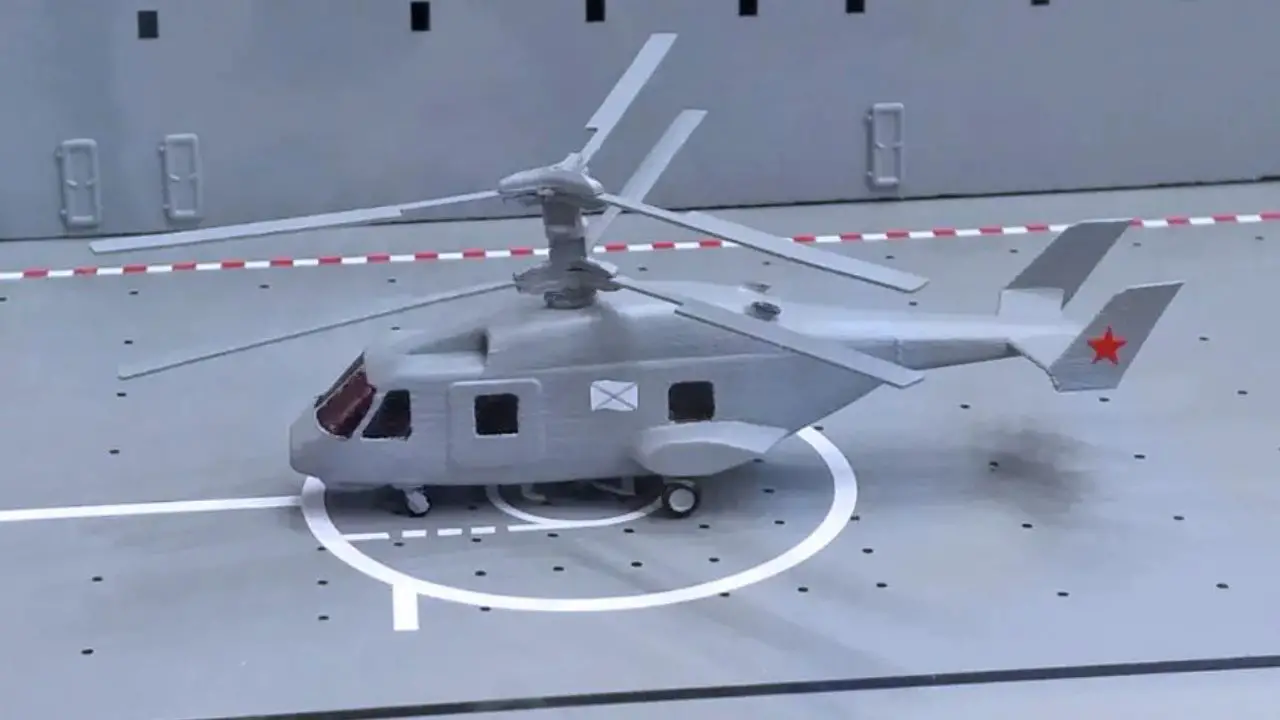
Around 2018–2019, the concept of a successor began to gain clarity as the first images of a full-scale mock-up of the Ka-65 were released within the assembly facilities of the National Helicopter Engineering Center. This was the first tangible indication that the project had transitioned from conceptual discussions to physical development.
The Ka-65, which is internally referred to as “Product 450,” is being developed under the supervision of Russian Helicopters, which is responsible for the country’s main rotorcraft design bureaus, including the Kamov Design Bureau. The initiative is a continuation of Kamov’s extensive expertise in naval helicopters, with a particular emphasis on those that utilize coaxial rotor systems.
Performance Expectations and Power Plant
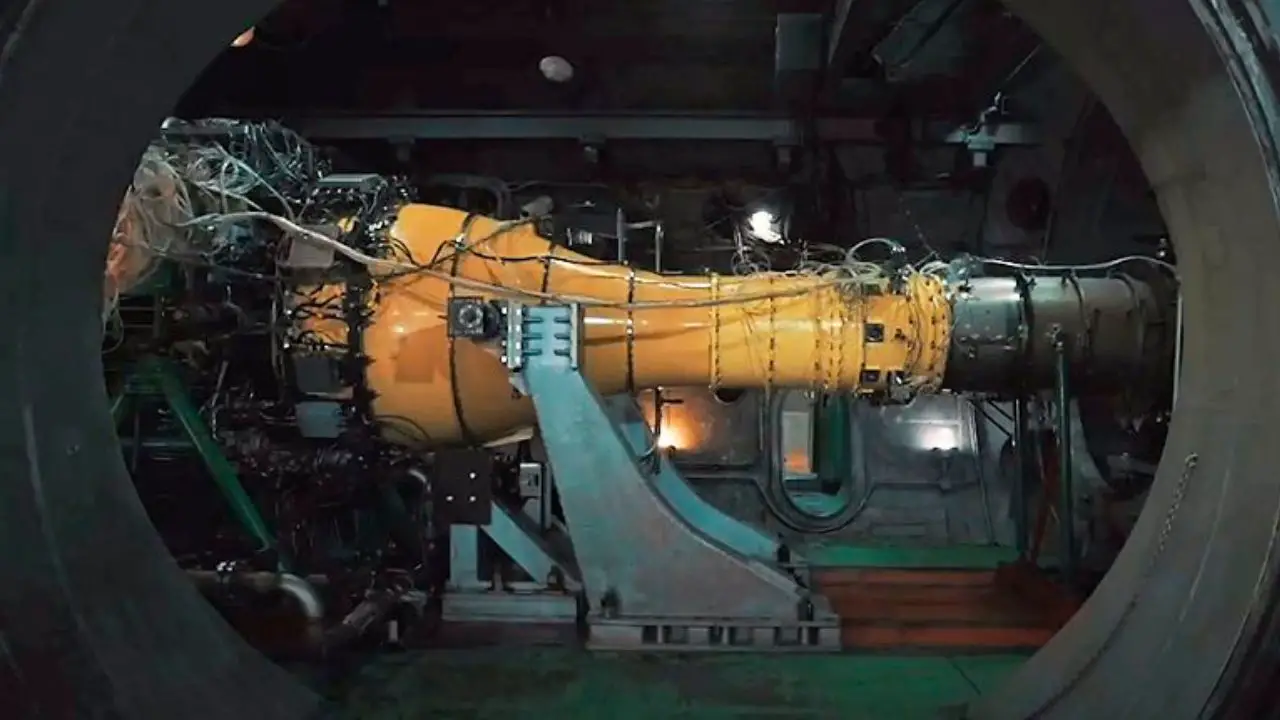
The powerplant configuration of the Ka-65 is one of its most distinguishing technological features. An evolved derivative of the TV7-117V engine family, the TV7-117VK engines are expected to be used in the helicopter. These engines are equipped with a full-authority digital engine control system (FADEC), specifically the BARK-6V system, which improves operational control, reliability, and efficiency.
The engines generate a remarkable power output, with an estimated 2,800 horsepower in takeoff mode and up to 3,750 horsepower in emergency situations. The Ka-65 is classified as a high-performance aircraft due to these figures, which allow it to operate efficiently in challenging maritime environments and transport substantial payloads.
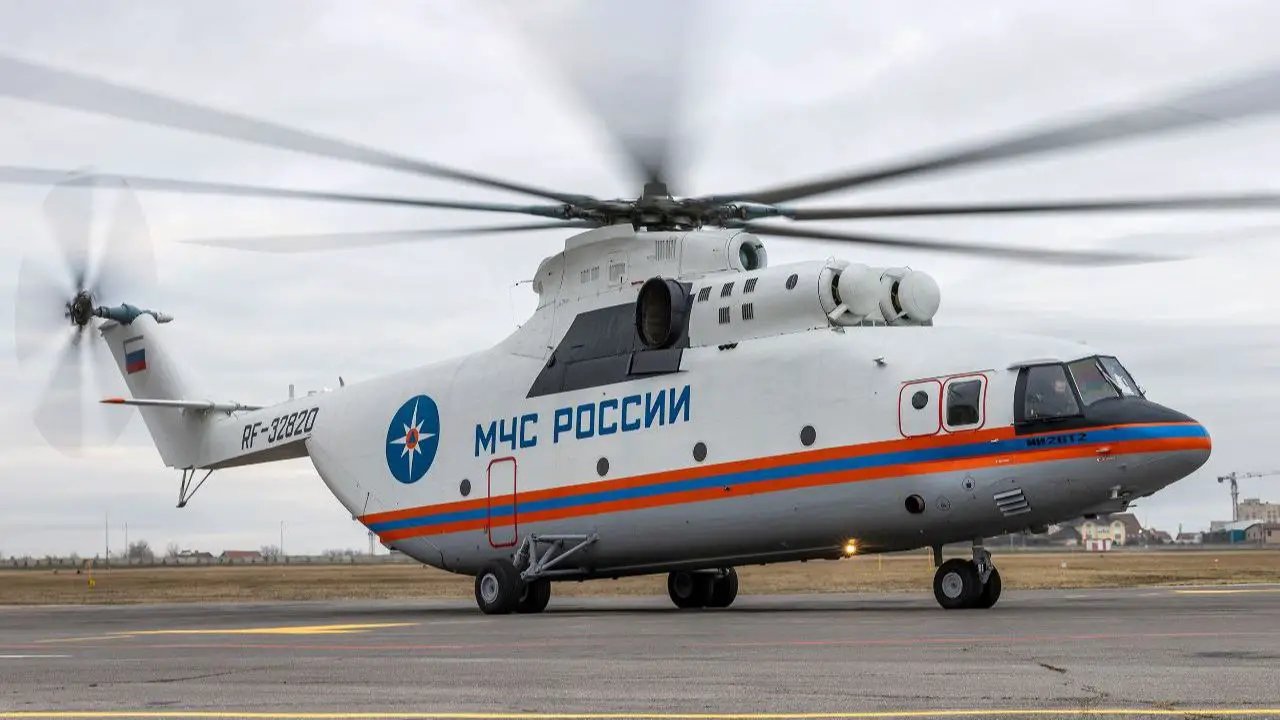
The Mil Mi-38, a modern Russian transport helicopter that is presently being manufactured in limited quantities at the Kazan Helicopter Plant, is already equipped with the same engine family. The Ka-65 program mitigates developmental risk and guarantees compatibility with established maintenance and production systems by utilizing an existing and certified engine platform.
Design Philosophy: What is the Reason for a Dedicated Naval Helicopter?
Non-specialists may ask why Russia is investing in a new naval helicopter rather than modifying an existing land-based platform, such as the Mi-38, for maritime use. Modifying an existing helicopter may appear to be a more efficient approach at first glance. Nevertheless, the practicality of this approach is significantly diminished by the realities of naval aviation.
A distinct set of operational requirements that are notably different from those of land-based aircraft must be satisfied by naval helicopters. These comprise the capacity to take off and land on moving platforms in conditions of constant pitch and roll, necessitating the use of specialized flight control systems and stabilization technologies. The airframe and components must also be resistant to corrosion caused by high humidity and saline exposure, which requires the use of specialized materials and protective coatings.
Additionally, naval helicopters must often be compact enough to accommodate the narrow confines of ship hangars while still retaining an adequate operational range and payload capacity. The aircraft’s design is greatly influenced by these constraints from the outset.
Therefore, the conversion of a land-based helicopter such as the Mi-38 to a naval variant would necessitate a complete redesign, rendering it more practicable to create a purpose-built platform such as the Ka-65 from the outset.
Kamov Signature: A Coaxial Rotor System
One of the Ka-65’s most unique characteristics is its use of a coaxial rotor system, which is a defining characteristic of Kamov’s design philosophy. Coaxial helicopters are distinguished from conventional helicopters by the presence of two counter-rotating main rotors that are mounted on the same axis, as opposed to a single main rotor and a tail rotor.
This configuration provides many advantages, notably in the context of naval operations. It reduces the helicopter’s overall footprint and renders it more appropriate for operations on congested ship decks by eliminating the necessity for a tail rotor. Additionally, it enhances stability and maneuverability, particularly in sea conditions that are turbulent.
The coaxial design is crucial for naval aviation because it enables more compact storage and improves lift efficacy. The Ka-27 family has demonstrated these advantages over decades of service, and it is anticipated that they will be further refined in the Ka-65.
Mission Versatility, Payload, and Size
It is expected that the Ka-65 will be considerably larger than its predecessors, with dimensions and payload capacity that are comparable to those of the Mi-38. This increase in dimensions enables the helicopter to execute a broader array of missions, thereby increasing its adaptability.
The Ka-65 is expected to progressively assume more demanding roles and complement existing platforms, rather than serving as a direct one-to-one replacement for all Ka-27 helicopters. Its design facilitates the creation of numerous variants that are customized to meet the requirements of particular missions.
This may involve anti-submarine warfare configurations that are equipped with torpedoes and sonar systems, transport and amphibious assault versions that are capable of transporting personnel and equipment, patrol variants for maritime surveillance, and search-and-rescue models that are specifically designed for emergency operations at sea.
This modular approach is consistent with modern military aviation trends, which involve the adaptation of a single airframe to serve multiple functions, thereby reducing logistical complexity and enhancing operational flexibility.
Future Naval Platform Integration
The Ka-65 program’s potential integration with Russia’s next-generation naval vessels is one of its most critical components. In particular, the helicopter is expected to be a critical component of the air groups of the new Project 23900 universal amphibious assault ships, which include the main vessel Ivan Rogov.
These vessels are intended to serve as adaptable platforms that can facilitate humanitarian missions, amphibious operations, and power projection. Modern, multi-role helicopters, such as the Ka-65, would be indispensable to their operational capabilities.
The Ka-65 is well-suited to operate from such vessels due to its larger size and improved performance, which increases mission flexibility, payload, and range in comparison to older helicopter models.
Delays and Development Timeline
The initial flight of the Ka-65 was anticipated to occur around 2025, as per previous statements from Russian Helicopters. Nevertheless, the most recent unofficial reports indicate that the timeline has slightly changed, with the initial flight now expected to occur in late 2026 or early 2027.
Delays of this nature are not uncommon in complicated aerospace projects, particularly those that involve new technology and design methodologies. Engine development, avionics integration, and testing requirements are all potential contributors to schedule adjustments.
Assuming the most recent reports are accurate, the program appears to be entering its final phases prior to flight testing, suggesting that substantial progress has been achieved in spite of the delays.
Future Prospects and Strategic Significance
The Ka-65’s development is a critical milestone in the modernization of Russia’s naval aviation capabilities. The necessity for a new platform that can accommodate modern operational requirements becomes more pressing as the current helicopter fleets age.
The Ka-65 is not just a substitute for older helicopters; it is a platform that has been specifically intended to address the changing challenges of today’s naval warfare, such as anti-submarine operations, maritime security, and rapid deployment capabilities.
Although official confirmation of the most recent progress reports is still pending, the emergence of consistent information from numerous sources indicates that the program is progressing steadily. The start of a new era in Russian naval aviation will be signified by the first flight, provided that it takes place within the anticipated timeframe.
In conclusion,
One of the most eagerly anticipated developments in Russia’s defense aviation sector is the Ka-65 “Minoga.” It is designed to provide a high-performance, versatile helicopter that is specifically designed for naval operations by integrating modern technology with a proven design philosophy.
The Ka-65 epitomizes a comprehensive approach to next-generation military aviation, from its multi-role adaptability and integration with future naval platforms to its potent engines and coaxial rotor system.
Analysts and defense observers will maintain a vigilant eye on the project as it approaches its inaugural flight. The successful completion of testing and eventual deployment will determine whether it meets expectations; however, its potential impact on naval aviation is already evident.