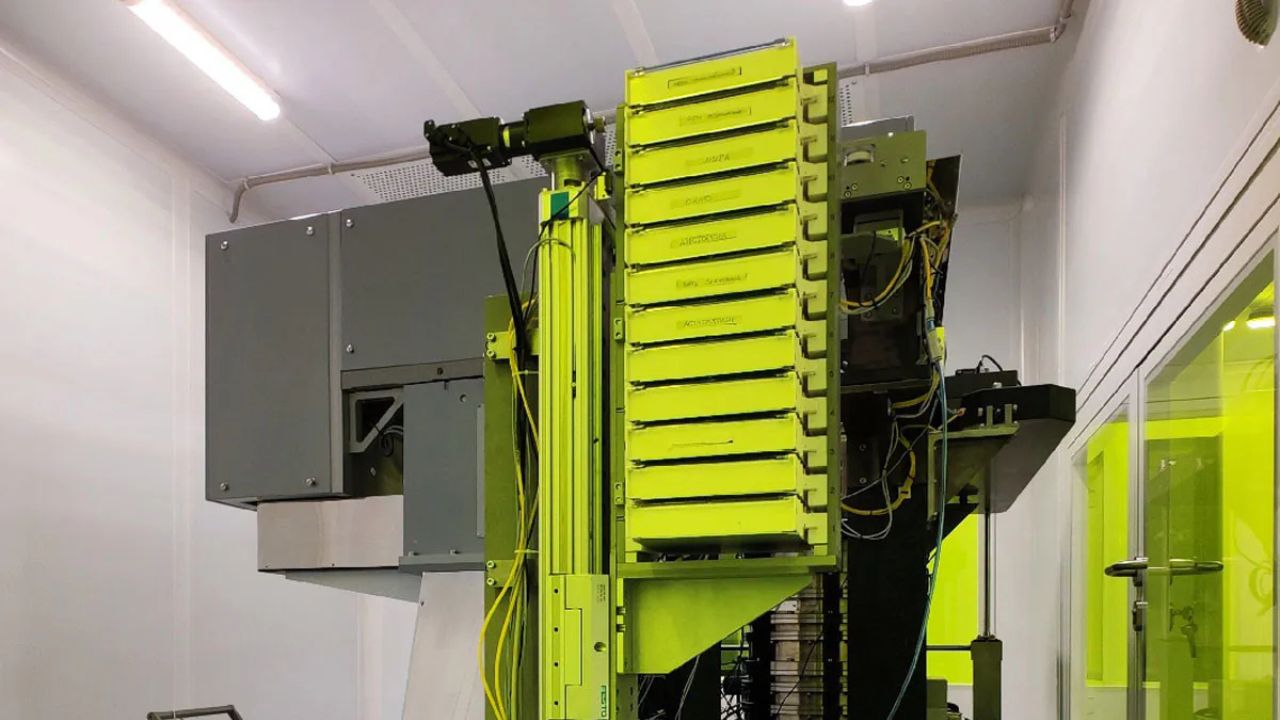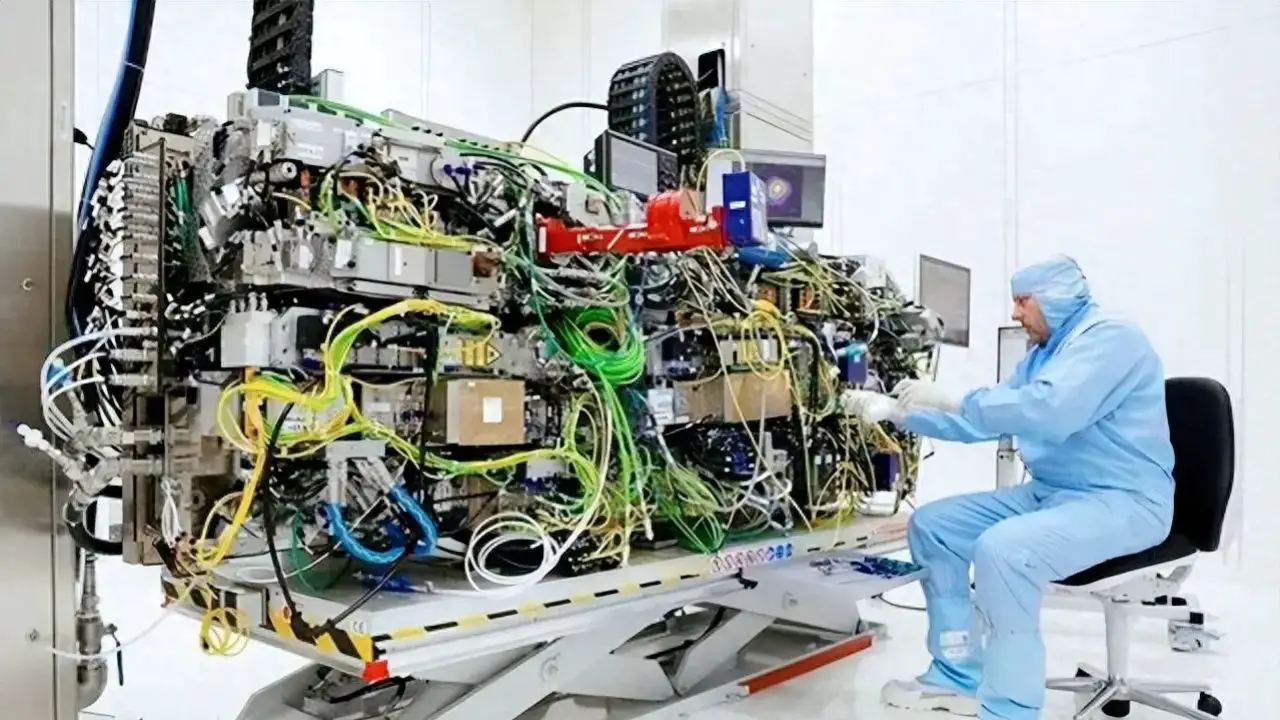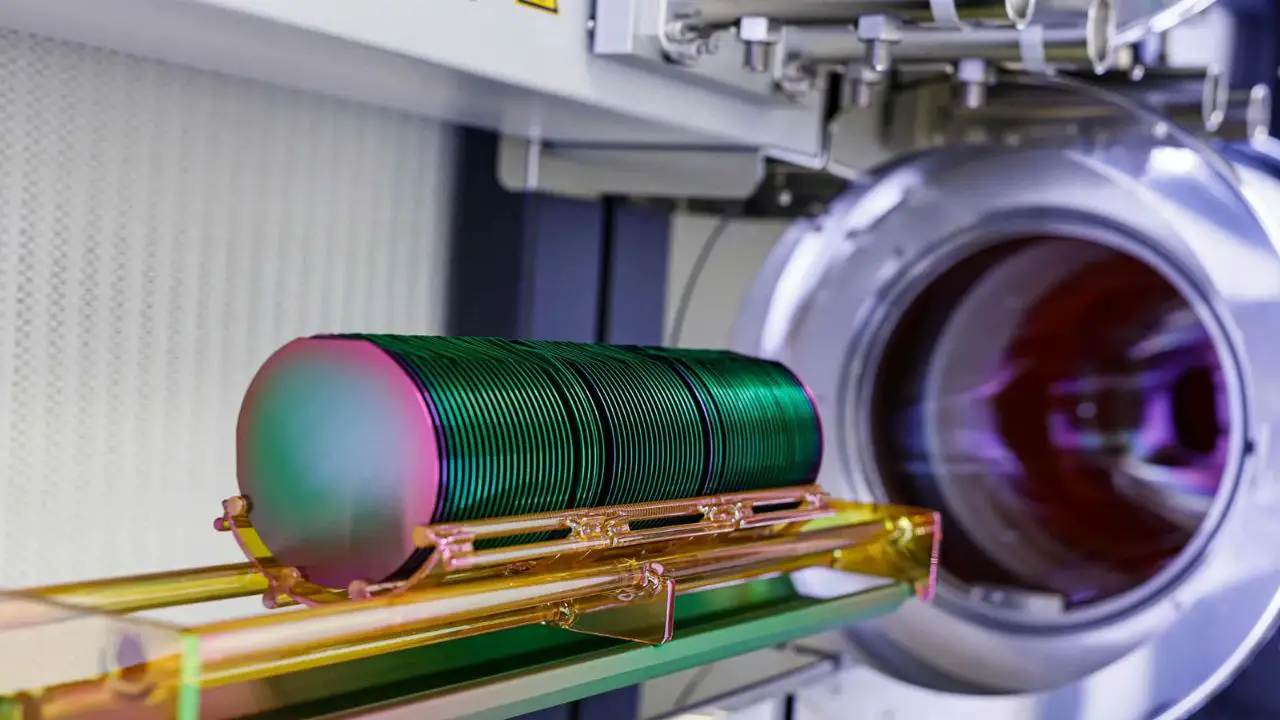

A 16-qubit universal scalable superconducting quantum computer prototype, created on the promising fluxonium qubit architecture, was officially demonstrated by Russian scientists in February 2026. The system is another significant branch in the development of quantum computing technologies in Russia, a field that has been consistently expanding under the coordination of the state corporation Rosatom. The computer was created at the National University of Science and Technology MISIS in Moscow, which is one of the primary institutions in the country that is advancing quantum research.
At a time when quantum computing is increasingly perceived as a strategic capability with implications for science, industry, and national technological sovereignty, the unveiling of this prototype underscores Russia’s ongoing attempts to develop domestic expertise in advanced computing technologies. The initiative is a component of the broader national roadmap on quantum technologies, which is designed to establish competitive quantum systems and infrastructure by the end of the decade.
Participation in National Quantum Roadmap Experiments
Before its public debut, the prototype had undergone substantial testing. In December 2025, it participated in control experiments that were conducted in accordance with Rosatom’s quantum computing roadmap. Throughout these experiments, researchers observed an average fidelity of two-qubit quantum operations at 99.4 percent, while simultaneous single-qubit operations achieved an accuracy of 99.8 percent. These figures demonstrate the maturity of the underlying technology and position the device within the range of global benchmarks for experimental quantum processors.
Control experiments conducted across multiple Russian laboratories verified that quantum projects were progressing in accordance with the established milestones. The testing of various platforms, including ion traps, neutral atoms, photonic systems, and superconducting circuits, was conducted simultaneously. The fluxonium processor, which was developed at MISIS, is a component of a national strategy that is intended to investigate a variety of technological pathways to scalable quantum computation.
Why Fluxonium Matters in Quantum Computing
The fluxonium architecture is presently regarded as one of the most promising approaches in the field of superconducting quantum processors, according to the developers. Its primary advantage over more commonly used transmon qubits is its substantially longer coherence times, which can exceed one millisecond in certain instances, and improved controllability. Longer coherence enables the preservation of quantum information for extended periods, enabling the execution of more intricate computations prior to the accumulation of errors.
Despite their more intricate circuit design, fluxonium qubits operate on magnetic flux rather than just charge-based mechanisms, which allows for improved stability and potentially simpler control schemes. This stability and precision are essential for the construction of larger quantum systems that can eventually conduct practical tasks beyond laboratory demonstrations.
The technological significance of the 16-qubit processor developed at MISIS is further underscored by its designation as one of the largest fluxonium-based quantum computing systems in the world. The architecture has the potential to be a critical component in the development of fault-tolerant quantum computers, which necessitate reliable qubit performance and extremely low error rates, according to researchers.
Comprehending the Fluxonium Qubit
Fluxonium is a relatively new form of superconducting qubit that is defined by its high operational fidelity, long coherence times, and high stability. Fluxonium devices are intended to reduce the sensitivity to noise and decoherence, which are two of the most major obstacles in the development of quantum hardware, in contrast to transmon qubits, which currently dominate many quantum computing platforms.
Qubits are the fundamental units of information in quantum computing, similar to bits in classical computers, but they are capable of existing in superpositions of states. The usefulness of the system is contingent upon the accuracy of the operations that quantum processors employ to manipulate these states meticulously. The capacity of fluxonium qubits to preserve quantum states for extended periods of time facilitates the development of more advanced algorithms and quantum circuits.
Russian developments in fluxonium technology are anticipated to be on par with the most advanced international research efforts by early 2026, as a result of years of investment in cryogenic engineering and superconducting quantum electronics.
A component of a broader quantum ecosystem
The 16-qubit fluxonium computer’s launch should be considered in the context of the rapid expansion of Russia’s quantum computing ecosystem. In recent years, a strategy of technological diversification has been implemented by multiple teams of researchers throughout the country, who have developed quantum processors using a variety of physical platforms.
Russia had developed multiple quantum computers that had reached the 70-qubit scale by 2025. These included a 70-qubit system that was based on ytterbium ions, a 72-qubit processor that utilized calcium ions, and another 72-qubit system that was constructed using neutral rubidium atoms. These accomplishments illustrate the nation’s capacity to concurrently experiment with multiple architectures and scale quantum systems.
Control experiments verified that prototypes with more than 70 qubits were effectively tested, emphasizing advancements in the development of medium-scale quantum computers that can execute more intricate algorithms. The coexistence of ion-based, atomic, photonic, and superconducting approaches is indicative of the recognition that the ultimate winning technology remains uncertain. The probability of breakthroughs is thus increased by the maintenance of parallel research directions.
The Role of Rosatom in Coordinating Quantum Development
As the main organization responsible for the implementation of the national roadmap, Rosatom is instrumental in the coordination of Russia’s quantum initiatives. Universities and research institutions conduct experimental work, while the corporation provides funding, infrastructure, and strategic direction.
The partnership between Rosatom and MISIS is notably noteworthy due to its integration of academic expertise and industrial resources. The fluxonium processor and affiliated laboratory infrastructure have been demonstrated to Rosatom leadership during official visits, underscoring the significance of quantum technologies in the broader scientific and technological agenda.
Rosatom’s participation also illustrates a more general trend in which state-sponsored organizations worldwide are making major investments in quantum computing as a result of its prospective applications in defense, energy, materials science, and secure communications.
Potential Applications of the New Quantum Computer
The development of the 16-qubit system, despite its status as a research prototype, is a significant contribution to the long-term objectives of resolving complicated industrial problems that are either impossible or exceedingly challenging for traditional computers. It is anticipated that quantum computers will demonstrate exceptional capabilities in the following areas: the optimization of logistics networks, the development of advanced materials, the simulation of molecular interactions, and the potential to breach specific cryptographic systems.
Researchers often highlight the potential for quantum advantage to take shape in applications such as drug discovery, chemical modeling, and optimization of large-scale systems. Even quantum processors that are relatively small are essential for the development of error correction techniques, the refinement of hardware, and the testing of algorithms that will be required for future large-scale machines.
The Obstacles to Scaling Quantum Systems
Despite the fluxonium computer’s progress, there are still major hurdles to overcome before quantum computers can be widely implemented in practical applications. To scale from tens of qubits to hundreds or thousands, it is necessary to overcome engineering challenges associated with noise, thermal management, and error correction.
Sophisticated cryogenic systems are necessary to operate superconducting quantum computers at temperatures which are exceedingly low, near absolute zero. The ongoing technical challenge that researchers worldwide encounter is the maintenance of coherence across larger arrays of qubits while ensuring precise control signals.
The development of logical qubits, which are error-corrected units that combine multiple physical qubits to accomplish reliable computation, is another significant hurdle. However, there is still plenty of work to be done in order to achieve the high fidelity that the fluxonium processor has demonstrated.
Russia’s Role in the Global Quantum Race
The 16-qubit fluxonium computer demonstration serves as a testament to Russia’s aspiration to maintain its position as a leader in the global competition for quantum technology. In recognition of its strategic significance, countries including the United States, China, and members of the European Union are investing billions of dollars in quantum research.
Although Russia’s quantum ecosystem is smaller in size than that of certain global competitors, its emphasis on a robust theoretical research base and multiple hardware platforms establishes a solid foundation for ongoing advancement. The technological independence of critical computing infrastructure is also facilitated by the development of domestic quantum hardware.
In conclusion,
The recent development of Russia’s 16-qubit superconducting quantum computer, which is based on the fluxonium architecture, represents an important turn in the country’s quantum technology progress. The prototype, which was developed at MISIS under the coordination of Rosatom, exhibits high operational fidelity and uses one of the most promising qubit designs currently under investigation worldwide.
Russia’s quantum computing capabilities are being expanded through the integration of national coordination, hardware advancements, and a developing ecosystem of research institutions. These capabilities have the potential to significantly impact both science and industry. Despite the numerous obstacles that remain, the progress that has been made thus far indicates that fluxonium technology has the potential to significantly influence the future of quantum computing in both Russia and the global community.